We’re Roof Repairs Company In Los Angle
Our experienced team offers services for both residential and commercial roof repairs, With over 25 years of experience in the industry.

Our experienced team offers services for both residential and commercial roof repairs, With over 25 years of experience in the industry.



When we think of roof damage, most of us blame storms or aging materials. But one surprisingly common (and often ignored) cause is tree growth around your home. At Fast Roofing, we’ve repaired many roofs that were slowly damaged not by weather, but by the greenery that people lovingly planted decades ago.
Branches might look harmless, but when they grow over or near the roof, they become silent destroyers. Constant brushing during windy days can wear away protective granules on shingles or tiles, leading to premature deterioration. Over time, this friction causes surface cracks, broken tiles, and hidden leaks—often only discovered during heavy rain.
You might be wondering, “What do tree roots have to do with my roof?” Roots affect water drainage by altering soil structure, sometimes changing the slope or causing water to pool. If this pooling happens near roofline gutters or siding, the roof’s lower sections are more prone to rot, mould, and hidden water damage.
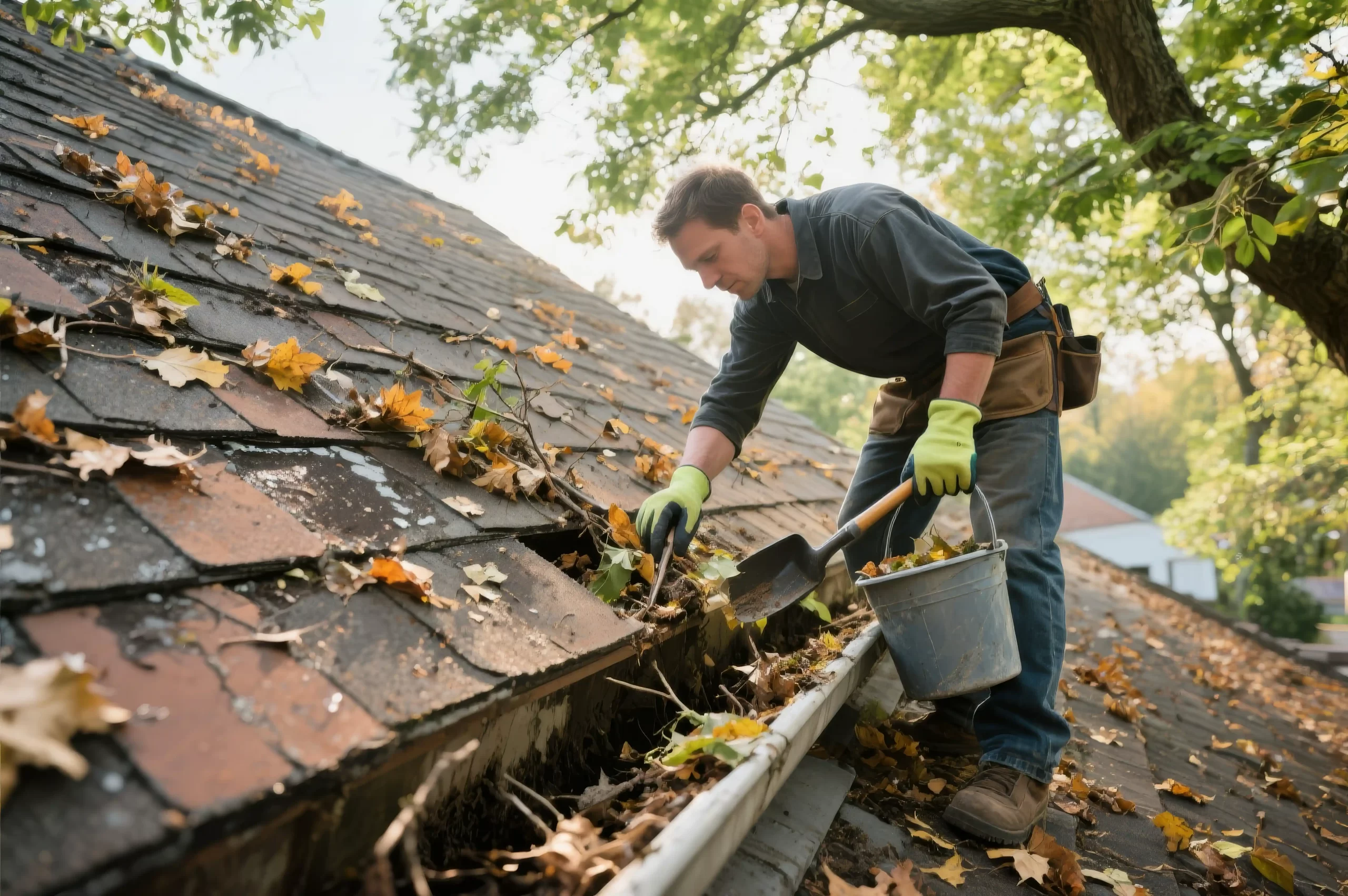
Leaves, twigs, and fruit build up in gutters and valleys. This traps moisture and allows fungi or moss to thrive, which leads to long-term damage. We’ve seen cases where the weight of wet debris created sagging or collapse in otherwise healthy roof sections.
Our damaged roof repair team doesn’t just patch up the problem. We assess surrounding tree risk, inspect gutter health, and use quality materials that can withstand local environmental pressure. Our licensed team uses modern equipment to repair cracked tiles, rusted valleys, broken flashings, and sagging areas with precision and care.
Love your trees, but don’t let them destroy your roof. If you notice any signs of wear near roof edges, gutters, or under branches, call Fast Roofing. Our damaged roof repair services are designed not only to fix the issue but prevent it from coming back—one branch at a time.